

Physics Project On Motion For Class 11th
Acknowledgment
I extend my heartfelt gratitude to all those who contributed to the completion of this physics project on motion for my class 11 studies. First and foremost, I am indebted to my physics teacher for providing guidance, support, and valuable insights throughout the project. Special thanks go to my classmates who engaged in insightful discussions, contributing to a richer understanding of the subject. Additionally, I would like to express my appreciation to the library staff for their assistance in accessing relevant resources. Lastly, my sincere thanks to my family and friends for their unwavering encouragement and understanding during the entire project duration. This endeavor has been a collective effort, and I am genuinely thankful for the collaborative spirit that made it possible.
Introduction
Motion, a fundamental aspect of the physical world, is a phenomenon that captivates our everyday experiences and serves as the cornerstone of classical and modern physics. This project embarks on a comprehensive exploration of the intricate concepts and principles that govern motion, with a specific focus on their applications and relevance to the academic curriculum. As we delve into the realms of kinematics, dynamics, circular motion, and the special theory of relativity, we aim to unravel the mysteries that underlie the motion of objects in our universe. From understanding the equations that describe motion to probing the profound implications of Einstein’s theory of relativity, this project seeks to provide a holistic view of motion’s multifaceted nature. Through practical examples and real-world applications, we aspire to make the study of motion not just an academic endeavor but a journey into the dynamic tapestry of the physical world that surrounds us. Join us as we navigate the fascinating landscape of motion, exploring its intricacies and appreciating its profound implications in the realm of physics.
Features Of Motion
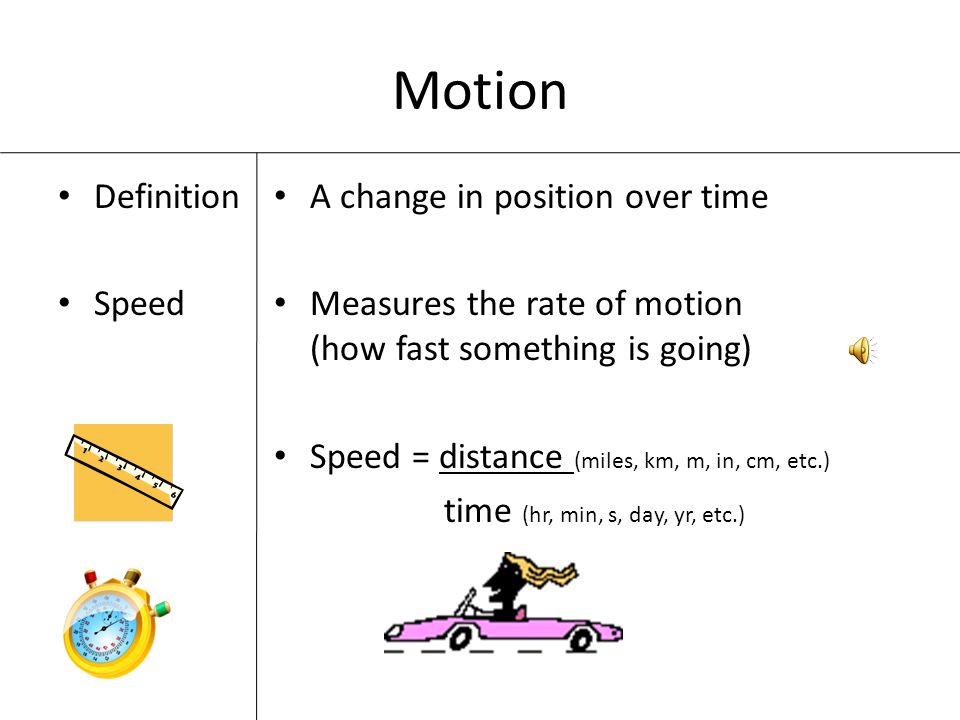
- Comprehensive Coverage: This project offers an in-depth exploration of various aspects of motion, covering fundamental definitions, types of motion, and advanced topics like the special theory of relativity.
- Practical Applications: Real-world applications of motion principles are extensively discussed, providing a bridge between theoretical concepts and their relevance in everyday life. Examples range from automotive safety features to the dynamics of roller coasters.
- Conceptual Clarity: The project aims to enhance conceptual understanding by breaking down complex topics like kinematics, dynamics, and circular motion. Clear explanations and illustrative examples are employed to facilitate learning.
- Equations and Mathematical Understanding: The equations governing motion are presented and explained, fostering a solid foundation in the mathematical aspects of physics. Emphasis is placed on the application of equations in problem-solving scenarios.
- Connection to Newtonian Physics: Newton’s laws of motion are explored in detail, connecting theoretical principles to practical scenarios. The role of forces, mass, and acceleration is thoroughly examined.
- Exploration of Cutting-Edge Concepts: The project goes beyond traditional physics, delving into the special theory of relativity. Concepts like time dilation and length contraction are discussed to provide students with a glimpse into advanced physics.
- Engaging Examples: Engaging examples, such as the trajectory of projectiles and the dynamics of circular motion, are used to illustrate key concepts. This approach enhances the project’s appeal and makes abstract ideas more tangible.
- Collaborative Learning: Acknowledging the collaborative nature of scientific exploration, the project encourages discussions and interactions among students, fostering a collective understanding of motion concepts.
- Encouragement of Further Exploration: The conclusion of the project emphasizes the importance of motion in physics and encourages students to delve deeper into the subject. It serves as a stepping stone for those interested in pursuing physics beyond the classroom.
- Holistic Perspective: The project seeks to provide a holistic perspective on motion, linking different components of the study to create a cohesive narrative. This approach enhances overall comprehension and appreciation for the subject matter.
Types Of Motion
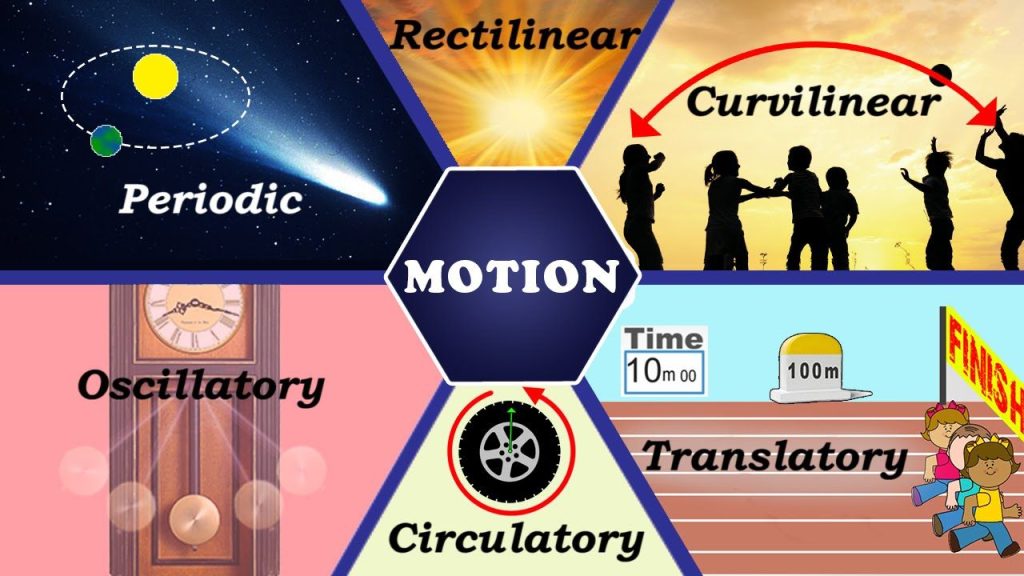
- Translational Motion: Definition and characteristics of translational motion. Equations governing uniformly accelerated rectilinear motion. Practical applications and examples in daily life.
- Rotational Motion: Introduction to rotational motion and its distinctions from translational motion. Application of rotational motion principles in objects like wheels and gears. Exploration of angular displacement, velocity, and acceleration.
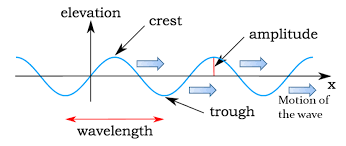
- Oscillatory Motion: Understanding the nature of oscillatory motion. Examples of oscillatory motion in simple harmonic oscillators. Relationship between oscillatory motion and wave phenomena.
- Scalars and Vectors: Differentiation between scalar and vector quantities. Importance of direction in vector quantities. Examples of scalar and vector quantities in motion.
- Projectile Motion: Analysis of the trajectory of a projectile. Factors influencing the range and height of a projectile. Real-world applications, such as sports and artillery.
- Newton’s Laws of Motion: Detailed exploration of Newton’s three laws of motion. Application of these laws to various scenarios. Understanding the concepts of force, mass, and acceleration.
- Friction: Types of friction (static and kinetic).Factors influencing frictional forces. Practical examples of friction in everyday life.
- Circular Motion: Concept of centripetal force in circular motion. Analysis of circular motion in various contexts. Examples of circular motion in the natural world and engineering applications.
- Special Theory of Relativity: Introduction to Einstein’s theory of relativity. Exploration of time dilation and length contraction. Implications of relativity in high-speed motion.
- Practical Applications: Examination of motion principles in automotive safety features. Analysis of roller coaster dynamics and their design considerations. Connecting theoretical concepts to tangible, real-world situations.
- These types collectively form a comprehensive framework for understanding the diverse facets of motion in the realm of physics. Each type contributes to a broader perspective, enriching the learning experience for students.
Objectives Of Motion
- To Develop a Fundamental Understanding: Provide students with a solid foundation in the fundamental concepts of motion, ensuring a clear grasp of terminology, definitions, and basic principles.
- To Explore Various Types of Motion: Introduce students to different types of motion, including translational, rotational, and oscillatory motion, fostering a comprehensive understanding of how objects move in various scenarios.
- To Apply Mathematical Concepts: Enable students to apply mathematical concepts to describe and analyze motion, emphasizing the importance of equations of motion and their practical applications.
- To Connect Theory to Real-World Applications: Bridge the gap between theoretical concepts and practical applications by illustrating how motion principles play a crucial role in real-world scenarios, such as automotive safety and amusement park rides.
- To Understand Newtonian Mechanics: Explore Newton’s laws of motion in-depth, facilitating a nuanced understanding of force, mass, and acceleration and their implications in different contexts.
- To Investigate Frictional Forces: Examine the role of friction in motion, distinguishing between static and kinetic friction, and understanding how friction impacts the dynamics of objects in motion.
- To Analyze Circular Motion: Investigate the principles of circular motion, emphasizing the concept of centripetal force and applying these principles to scenarios ranging from celestial bodies to amusement park rides.
- To Introduce Special Theory of Relativity: Familiarize students with advanced concepts in physics by introducing Einstein’s special theory of relativity, providing a glimpse into the profound effects of motion at high speeds.
- To Encourage Collaborative Learning: Foster an environment of collaborative learning by encouraging students to engage in discussions, share insights, and work together to deepen their understanding of motion concepts.
- To Inspire Further Exploration: Cultivate a curiosity for physics by inspiring students to explore motion beyond the classroom, encouraging independent research and self-directed learning.
- To Enhance Problem-Solving Skills: Develop students’ problem-solving skills by presenting real-world scenarios and challenges related to motion, prompting them to apply theoretical knowledge to practical situations.
- To Provide a Holistic Perspective: Present motion as a cohesive and interconnected subject, showcasing its relevance across various physics subfields and emphasizing the holistic nature of understanding motion in the universe.
These objectives collectively aim to create a comprehensive and engaging learning experience, promoting both theoretical understanding and practical application of motion concepts in the field of physics.

Advantages Of Motion
- Holistic Learning Experience: The project provides a holistic learning experience by covering a wide range of motion-related topics, allowing students to see the interconnectedness of concepts within the realm of physics.
- Practical Application of Theoretical Knowledge: By exploring real-world applications, the project helps students bridge the gap between theoretical knowledge and practical application, making the study of motion more relevant and engaging.
- Development of Analytical Skills: Students engage in problem-solving scenarios, enhancing their analytical skills as they apply mathematical concepts and physics principles to understand and solve motion-related challenges.
- Understanding of Newtonian Mechanics: In-depth exploration of Newton’s laws of motion contributes to a thorough understanding of classical mechanics, laying the foundation for more advanced physics studies.
- Conceptual Clarity: The project aims to provide clear explanations and examples, promoting conceptual clarity. This clarity is crucial for students to build a strong understanding of motion principles.
- Encourages Critical Thinking: Students are prompted to think critically about motion concepts, encouraging them to question, analyze, and explore beyond the presented material.
- Introduction to Advanced Physics Concepts: The inclusion of the special theory of relativity introduces students to advanced physics concepts, expanding their knowledge base and inspiring curiosity about the more complex aspects of the field.
- Enhanced Collaboration and Communication Skills: The encouragement of collaborative learning fosters improved communication and teamwork skills, as students share ideas and insights to deepen their collective understanding of motion.
- Application of Physics in Everyday Life: By showcasing the application of motion principles in everyday scenarios, the project helps students recognize the ubiquity of physics in their surroundings, fostering a greater appreciation for the subject.
- Inspiration for Further Exploration: The project inspires students to explore physics beyond the scope of the classroom, cultivating a sense of curiosity and self-directed learning that can lead to future scientific inquiry.
- Relevance to Technological Advancements: Understanding motion is crucial in various technological fields. The project highlights the relevance of motion concepts in technological advancements, from automotive safety features to amusement park ride design.
- Preparation for Higher Education: The project serves as a solid preparation for higher education in physics or related fields by laying a comprehensive foundation and instilling a passion for the subject.
Incorporating these advantages, the project on motion ensures that students not only grasp the intricacies of physics but also develop skills and perspectives that are beneficial in both academic and practical contexts.
Disadvantages Of Motion
- Time-Intensive Nature: The project, due to its comprehensive coverage and in-depth exploration, may be time-intensive for students who are already managing a demanding academic schedule. Balancing the project with other coursework might pose a challenge.
- Complexity for Some Students: The detailed mathematical and theoretical aspects of motion, especially in advanced topics like the special theory of relativity, may be complex for some students, potentially leading to confusion or frustration.
- Limited Accessibility to Resources: Access to resources, such as textbooks, research materials, and educational tools, may be limited for some students. This can hinder their ability to conduct thorough research and fully comprehend certain aspects of the project.
- Varied Background Knowledge: Students may enter the project with varying levels of background knowledge in physics. This can result in disparities in understanding, making it challenging for the teacher to tailor the project to the diverse needs of the class.
- Potential for Overwhelm: The extensive range of topics covered may overwhelm some students, particularly those who are less familiar with physics concepts. This could lead to a surface-level understanding rather than a deep grasp of the material.
- Limited Hands-On Experiments: Due to the theoretical nature of some topics and constraints within a classroom setting, the project may lack hands-on experiments or practical demonstrations, limiting the ability of students to directly observe certain motion principles.
- Difficulty in Grasping Advanced Concepts: The introduction of advanced concepts, such as the special theory of relativity, might exceed the comprehension level of some students. This can result in a lack of engagement or a superficial understanding of these complex principles.
- Potential for Unequal Participation: Collaborative learning, while beneficial, may result in unequal participation among students. Some may contribute more actively, while others may take a backseat, leading to an uneven distribution of the workload.
- Lack of Personalization: The project may not cater to individual learning styles and preferences. Some students might benefit more from hands-on activities, while others may prefer a more theoretical approach. This lack of personalization could affect overall engagement.
- Limited Exploration of Alternative Perspectives: The project may not delve into alternative perspectives or competing theories in physics, potentially limiting students’ exposure to a broader range of ideas and scientific viewpoints.
While the project on motion offers numerous advantages, it’s essential to recognize these potential disadvantages to ensure that the learning experience is as inclusive and effective as possible for all students.
Conclusion
In conclusion, the physics project on motion serves as an invaluable tool for fostering a comprehensive understanding of fundamental principles in the realm of physics. Despite its challenges, the advantages of this project are evident in its ability to provide students with a holistic learning experience that spans from basic definitions to advanced theories. The exploration of various types of motion, the practical applications of theoretical knowledge, and the development of analytical skills contribute to the project’s efficacy in preparing students for the complexities of higher education in physics or related fields.
However, it is essential to address the challenges inherent in the project, such as its time-intensive nature and potential complexity for some students. Recognizing the need for accessible resources, a tailored approach to diverse background knowledge, and an emphasis on hands-on experiments can enhance the overall learning experience. The project’s potential to overwhelm students and the importance of equal participation and personalization underscore the need for thoughtful implementation and adjustments to accommodate varying learning styles.
In moving forward, a continuous effort to refine the project, incorporate diverse teaching methodologies, and encourage student collaboration will undoubtedly contribute to its effectiveness. The project not only equips students with a solid foundation in motion but also inspires a curiosity that extends beyond the classroom, fostering a lifelong appreciation for the intricate dynamics of the physical world. Embracing both its advantages and challenges, the physics project on motion stands as a dynamic and evolving platform for nurturing the next generation of physicists and scientific thinkers.
Certificate Of Completion
[Student’s Name][Class/Grade Level]
This is to certify that I, [Student’s Name], a [Class/Grade Level] student, have successfully completed the project on “Physics Project On Motion For Class 11th” The project explores the fundamental principles and key aspects of the chosen topic, providing a comprehensive understanding of its significance and implications.
In this project, I delved into in-depth research and analysis, investigating various facets and relevant theories related to the chosen topic. I demonstrated dedication, diligence, and a high level of sincerity throughout the project’s completion.
Key Achievements:
Thoroughly researched and analyzed [Physics Project On Motion For Class 11th].
Examined the historical background and evolution of the subject matter.
Explored the contributions of notable figures in the field.
Investigated the key theories and principles associated with the topic.
Discussed practical applications and real-world implications.
Considered critical viewpoints and alternative theories, fostering a well-rounded understanding.
This project has significantly enhanced my knowledge and critical thinking skills in the chosen field of study. It reflects my commitment to academic excellence and the pursuit of knowledge.
Date: [Date of Completion]Signature: [Your Signature]
[School/Institution Name][Teacher’s/Examiner’s Name and Signature]
Common search variants this project covers
Related searches this project answers: motion definition physics, motion definition in physics, what is motion in physics, definition of motion in physics, short definition of motion, what is motion, class 11 physics project topics, project file on motion class 11, simple definition of motion, what is motion in science, motion meaning in physics, what is motion definition in physics, physics project class 11, explanation of motion, motion in physics definition, physics project for class 11, introduction of motion, what is mean by motion, what is mean by motion in physics, physics motion definition, project on motion, class 11 physics project, define motion in physics, physics project topics for class 11, topics for physics project class 11.
More search queries this article answers
Related searches this project answers: class 11 physics project file topics, physics class 11 project topics, physics class 11 project file, motion definition science, definition motion in physics, science motion definition, 11th physics project, class 11th physics project topics, physics projects for class 11, class 11 physics project file, motion definition in science, class 11th physics project, 11th physics project topics, physics project for class 11 pdf, concept of motion in physics, class 11 physics project file topics laws of motion, motion in physics, motion physics definition, physics project class 11 topics, meaning of motion in science, explain motion, motion definition and example, physics project ideas for class 11, physics class 11 project, what is motion short definition.
Additional variants and specific page/pdf queries
Related searches this project answers: motion project class 11, project for class 11 physics, motion definition easy, certificate for physics project class 11, motion explanation, science definition of motion, project on physics class 11, motion, definition of motion physics, project for physics class 11, project file on motion, what is a motion in physics, physics project file class 11, what is the motion in physics, motion definition, define motion, easy definition of motion, definition of motion in science, motion simple definition, project of physics class 11, class 11 physics investigatory project on laws of motion, define motion class 11th, class 11 physics project file pdf, physics project class 11th, motion project file pdf.
Longer-tail queries this project answers
Related searches this project answers: physics project for class 11 pdf free download, physics projects class 11, physics investigatory project class 11 projectile motion, what is motion in physics definition, definition of motion, motion physics, meaning of motion in physics, investigatory project of physics class 11, motion project physics, what is meant by motion in physics, project physics class 11, physics definition of motion, class 11th project file physics, investigatory project on laws of motion class 11, physics, class 11 physics project file on motion, motion definition with example, definition of movement in physics, prepare a project file on motion, science projects for class 11 physics, motion science definition, what is the meaning of motion in physics, simple physics projects for class 11, introduction of motion class 9, investigatory project class 11 physics.
Further variants covered on this page
Related searches this project answers: physics ka project class 11, motion def physics, motion class 11, physics project 11th class, class 11 physics investigatory project, class 11th physics project file, class 11 physics projects, project class 11 physics, motion meaning physics, introduction of motion in physics, investigatory project physics class 11, what is the definition of motion in physics, what is the motion in science, project on projectile motion for class 11 pdf, what is motion?, in physics what is motion, 11th class physics project, define motion physics, definition of motion science, motion definition simple, motion in physics meaning, introduction for physics project, motion 11, project file on projectile motion class 11, what is motion physics.
Extended keyword coverage
Related searches this project answers: movement definition physics, physics project file topics for class 11, class 11 physics project file on laws of motion, class 11 physics project file on projectile motion, about motion in physics, concept of motion, class 11 project physics, physics project on motion, physics what is motion, meaning of motion, physics project for 11th class, motion in science, project for class 11, what is the meaning of motion, what is motion class 9, what is a motion, projectile motion project pdf class 11, science project for class 11, introduction for motion, class 11 cbse physics project topics, class 11 physics project ideas, class 11 project file physics, circular motion project, class 11 physics topics for project, define physics class 11.
Remaining queries this article addresses
Related searches this project answers: explain the motion, conclusion for physics project class 11, define motion in science, types of motion, types of motion project pdf, types of motion class 11, scientific definition of motion, physics motion, physics project file ideas, physics projects in new curriculum, what is motion science, what is the definition of motion in science, wht is motion, what is motion in physics?, what are the types of motion, what is a motion in science, what is motion class 9 physics, define the term motion, definition of motion in physical science, describe motion, class 11 physics project file on laws of motion pdf, 11 class project, bibliography for physics project class 11, describe motion in physics, motion definition physical science.
Final keyword group
Related searches this project answers: motion scientific definition, physics definition class 11, different type of motion, investigatory project on projectile motion class 11, motion class 9, rotational motion class 11 project file, science words a to z, short definition, rotational motion, projectile motion class 11 project file, projectile motion investigatory project, projectile motion project ideas, the definition of motion in science, the motion of, types of motion chart, the definition of motion, si unit of motion, state of motion definition, study of motion, physics project class 11 pdf, picture of motion in science, project file on laws of motion class 11, physics models for class 11, physics basic concepts, physics in motion.
Additional project variants
Related searches this project answers: physics investigatory project class 11 projectile motion pdf, project topics for physics, projectile motion class 11, projectile motion class 11 project, project s-11, project file on motion for class 9, project on laws of motion, project on types of motion, what is motion what is motion, what is physics definition class 11, what is the si unit of motion, what is motion in short, what is motion in physic, what is motion in physical science, what is motion in physics class 7, whay is motion, working model for physics class 11, what's motion, what ismotion, what mean motion, what motion, vibrating motion, what definition, what does motion mean in physics, types of motion explanation.
Miscellaneous variants
Related searches this project answers: types of motion class 11 physics, types of motion class 9, types of motion explain, what is motion define, what is motion definition, what is motion definition in science, what is meaning of motion, what does the word motion mean, what is a motion class 9, what is force and motion in physics, moving, explain motion in physics, explain types of motion with examples, give me image of this, explain motion and its types, definition of wave motion in physics, describing motion, description of motion, introduction to newton's law of motion, investigatory project for physics class 11, law of motion class 11 project file, introduction to motion physics, image of project, introduction of law of motion, introduction to motion.
Extra queries covered
Related searches this project answers: class 11 project, class 11th physics investigatory project, class 11th physics project file topics, class 11 physics investigatory project topics, project file class 11 physics, 20 examples of motion, circular motion project ideas, definition of, definition of motion with example, definition of rotatory motion, definition, def of motion, define motion under gravity, define relative motion in physics, motion physical science definition, motion physics wikipedia, motion science, motion of the, motion means in physics, motion means what, motion of, motions definition, motions in science, movement in physics, motion what is motion.
Additional coverage
Related searches this project answers: motion short definition, motion simple definition physics, motion topic in physics, motion and rest definition, motion concept, motion definition class 11, model types of motion project, laws of motion introduction, linear motion, make a project file on motion, motion is relative, motion meaning, motion meaning in science, motion in physics class 11, motion examples, motion in a plane class 11 project file, motion in hindi physics.
Hindi/Regional-language searches this project answers
For non-English readers, this project also addresses: चाल भनेको के हो.